
A reporter recently asked me how to handle stale bread. It turns out, many people see a dry loaf and toss it into the trash or compost bin. Not only is this a waste of money, but also a massive missed opportunity! This is especially true today, with everyone baking sourdough and grocery prices skyrocketing. Even supermarkets carve out discount shelves for day-old loaves because they know that the bread still has plenty of life left. At JoyfulCrumbs, I believe stale bread is not dead. It's just waiting for it's second act. So, I created this stale bread ultimate guide.
Let's dive into the simple stale bread ultimate guide and the magical science of saving bread. At Joyful Crumbs, I believe every single slice deserves a delicious, happy ending. Welcome to:
The Ultimate Guide to Storing, Reviving, and Transforming Leftover Bread.
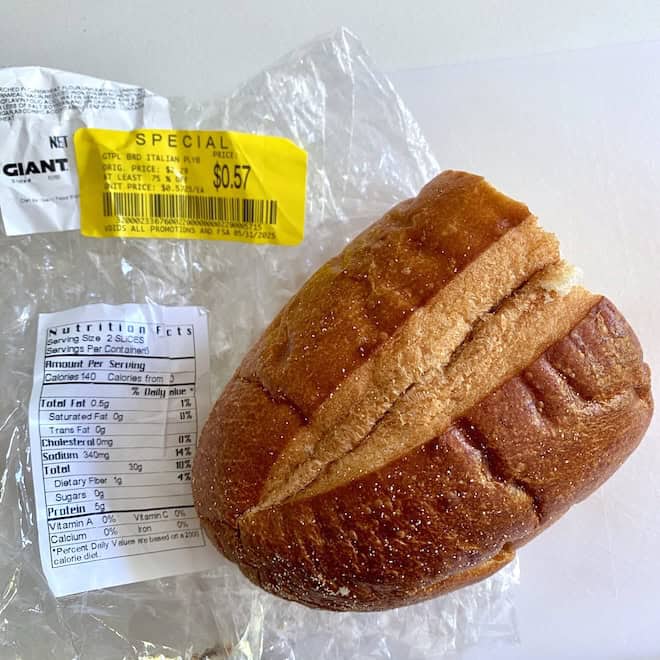
When you consider the high-quality ingredients inside a single loaf, stale bread transforms from a waste product into a valuable culinary asset. Modern culture creates a bit of a tragedy by automatically equating "stale" with "trash." Historically, however, our ancestors refused to waste a single crumb and their brilliant resourcefulness gave us some of our most treasured recipes today.
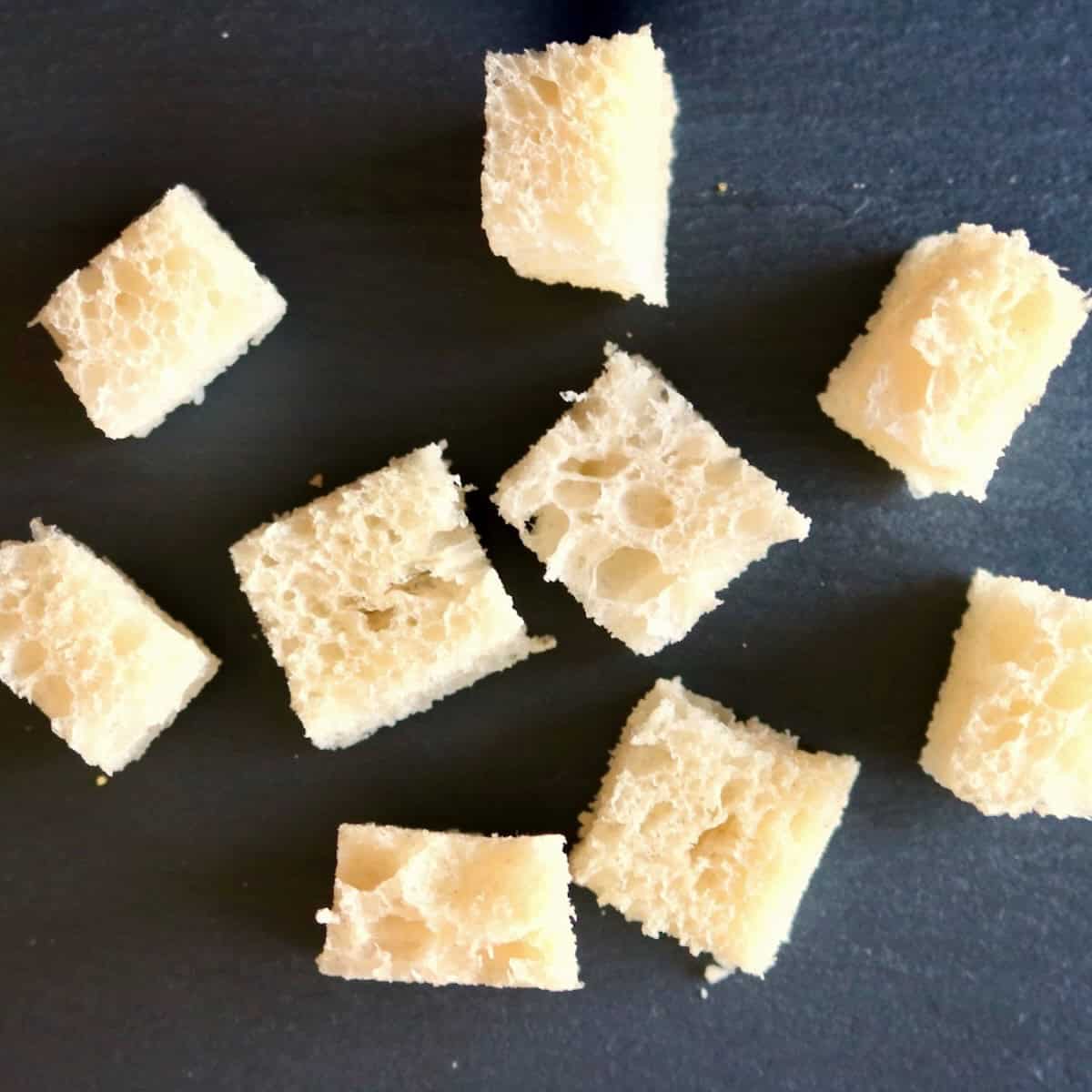
What is stale bread
As bread ages, it undergoes a dynamic physical change that dries out its texture and hardens its crumb.
During baking, starch granules in the flour absorb water and swell, creating a disorganized, gelatinous structure that gives fresh bread its soft, fluffy texture. As time passes, however, these starch molecules reorganize. They push out the absorbed water and form tightly packed, organized crystals, a structural transformation known as starch retrogradation. This expelled water migrates to the surrounding areas and the crust, where some of it evaporates, leaving the bread hard and crumbly.
Why does this matter? In cooking, this crystal structure transforms the stale bread into a sponge that locks in moisture without turning to mush. The stale bread eagerly absorbs liquids like custard or vinaigrette while firmly holding its shape.
How to revive and refresh stale bread
Every once in a while, we buy a beautiful artisan loaf only to forget it on the counter. Within 48 hours, it turns as hard as a baseball bat.
Don't throw it out! Now that you know the bread is just locking up its moisture, you can easily unlock it and freshen the loaf right back up. You only need two things: a little water and some heat. Check out these bread-revival magic tricks to breathe new life into your loaf.
- The microwave trick: Wrap stale bread in a lightly damp paper towel and microwave for 10 second increments. This works well with bread slices, rolls and buns.
- The oven hack: This works well for rock hard unsliced artisan loaves like baguettes. Simply dampen the outside of the entire loaf under running water. The crust should be just wet and not soggy. Then, wrap it in foil, place it on the oven rack and bake at 350F. for about 10 minutes. The steam unlocks the trapped starches making the loaf interior soft. Unwrap the loaf and place back in the oven for 3 to 4 minutes to crisp up the crust. Slice and serve.
- Pro tip: these methods for reviving bread only work once. Once the bread cools down the starches are locked up for good and the hard bread must be repurposed into something else. Think croutons for salads, thickeners for soups and dips, crumbs for coatings and toppings for crunch and textural contrast just to name a few.
How to freeze bread
When you have half a loaf of uneaten bread and zero time to deal with it, freeze it.
To prevent freezer burn, never just toss a bare loaf into the freezer bag and hope for the best. Follow these steps to freeze your bread properly so it stays perfectly preserved for future Joyful Crumbs recipes.
- Cut your bread into slices, crouton shapes or grate into breadcrumbs before freezing. Rock hard frozen whole loaves of bread are essentially impossible to slice.
- Then, spread your bread slices, croutons or crumbs on a parchment lined baking sheet. Freeze for 30 minutes or until firm. This keeps the pieces separated for long term storage.
- Transfer your frozen bread pieces to an air tight bag or container and keep frozen until ready to use. Better, yet, vacuum seal the frozen bread to eliminate as much air as possible. Air is what causes freezer burn.
- Frozen bread can be stored for at least 3 months.
How to defrost frozen bread
The good news? You never need to defrost your bread. It is recipe-ready.
Pop frozen slices straight into the toaster or oven to thaw and crisp them up in one go. Toss frozen croutons directly into your stuffing mix or bread pudding, where they will thaw seamlessly as they drink up the liquid. You get the idea!

Pro tip: pulsing stale bread in the food processor is the easiest way to make breadcrumbs.
Stale Bread Ultimate Guide Cheat Sheet
| How stale is it? | Best technique | Recipe Ideas |
| Bread is day old and flexible | Cut into slices or cubes for soaking | Perfect for French toast |
| Firm and hard crust | Slice and toast | Perfect for croutons |
| Rock hard and dry | Grind in food processor for crumbs or soak and soften | Breadcrumbs Meatballs |
How to Repurpose Different Kinds of Bread
The Joyful Crumbs Bread Rescue Cheat Sheet
- Sourdough & Crusty Artisan Loaves: This bread gets rock hard and is tough to slice. Use the running water oven hack to revive it for dinner tonight or cube it for thickening soup. It can also be baked into a savory dish like a gratin or strata.
- Standard Sandwich Bread (White & Wheat): This bread gets dry and crumbly when stale. It is easily broken into pieces. For a sandwich revive the slices with the microwave trick of wrapping in a damp paper towel. Or bake the slices into an apple bread pudding. I also pulse these in the food processor to make crumb toppings.
- Brioche, Challah & Sweet Breads: When enriched breads turn stale they become stiff, slightly dry and perfect for absorbing liquid. Slice or cube them for stuffed French toast and bread puddings.
- Hamburger & Hot Dog Buns: Similar to white bread, these buns become dry and spit at their seams when stale. They are perfect for turning into breadcrumbs, bread pudding or simply split them open and use as a base for a pizza crust or garlic bread.
- Bagels & English Muffins: These get tough, chewy and dense. Bagels need to be sliced thin and toasted for chips. English muffins are best turned into irregular crumbs for golden crispy toppings on casseroles and mac 'n cheese.
- Croissants: A soft croissant is a stale croissant. When it's no longer crisp and flaky tear it into pieces and bake it into a buttery bread pudding or simply slice it in half, stuff it and make a luxurious almond French toast.
Stale Bread Ultimate Guide FAQ
I use a lot of stale breadcrumbs in my cooking. I can make crumbs in a variety of sizes whether I am breading a protein like pork or chicken cutlets or bigger crumbs for binding meatballs and crab cakes. They also work for thickening soups and dips. Breadcrumbs can add a creaminess to recipes, too, and often can substitute for dairy products.
Absolutely. Stale bread makes the best bread pudding and French toast. It holds it shape as it slowly absorbs the liquid. It bakes up custardy with crisp edges vs a fresh bread turning the recipe soggy and feeling raw.
The same goes for stuffing recipes. Stale bread absorbs the broth without turning pasty and in soups like Spanish gazpacho it emulsifies the ingredients into a creamy texture without any dairy.
How to repurpose the bread depends upon the type of bread you have. Is it sweet or savory and how stale is it. Breads like brioche have a high fat and egg content, so usually they have some softness to them as they go stale. They are easily sliced or cubed which makes them perfect for French toast and bread pudding. On the other hand, are French baguettes and crusty artisanal loaves that can withstand being boiled into a soup or grilled for a salad.
Stale bread crisps up much better than fresh. Extra crispy croutons and crumbs can only be achieved with stale bread. It's a very deep crunch without being hard.
I am Italian. I believe our entire cuisine (at least in my home) is built on not wasting a crumb. It is exactly why I started the blog Joyful Crumbs. Many cultures have innovative delicious dishes that celebrate the no waste mentality. To name a few: Tuscan bread soup in Italy, Israeli bread salad and Fattoush in the Middle East and in Greece they make a bread dip called skordalia.
Stale bread doesn't taste great on its own. You need to season it.
Also, watch out for bread that has gone bad. Bread grows mold and turns rancid, especially when you store it in airtight plastic.
Stale bread can be firm with a little give or completely hard. It should have a clean aroma. Throw it out if it has any signs of mold or sour smell. If it has been stored in plastic and feels damp, I'd toss that too.
Let's make something incredibly easy that will elevate your dishes to new heights: Gremolata Breadcrumbs.
Simply fry stale, but soft, breadcrumbs in olive oil or butter alongside aromatic herbs and garlic. Toss in some bright lemon zest, then sprinkle the mixture over pasta, seafood, roasted vegetables, or eggs-you name it. This versatile, crunchy finish delivers incredible texture and flavor to almost any plate.
The fastest method to stale bread involves low-temperature baking. Cube or slice your bread into the size needed, spread it out on a baking sheet and dry them in a 225F. oven for 10 to 20 minutes.
Whether you want to bring a whole loaf back to life for tonight's dinner table, whip up a batch of the crispiest golden croutons you've ever tasted, or build a freezer "bread bank" so you always have the perfect ingredients on hand for an inviting weekend brunch, this guide is your masterclass. Please comment if you still have any unanswered questions concerning stale bread and let me know how you use every crumb.
Lisa says
Please tell me if you have any questions and I will give you answers.